Defibtech AED Training Units Canada: Comparing Models for Your Classroom
Defibrillator training pays off in quiet, unglamorous ways. A learner who has already heard the prompts, already peeled the pads and seen where they land, moves faster when it counts. Training units are the bridge between theory and muscle memory, and picking the right one is not trivial. Canadian instructors juggle bilingual needs, shipping distances that stretch delivery timelines, and a wide range of learner profiles from workplace crews to volunteer coaches. This guide looks closely at the two main Defibtech families used in Canadian classrooms, and the practical differences that matter when you teach under a clock and a budget.
Where Defibtech fits in a Canadian classroom
Defibtech units show up in municipal facilities, industrial sites, schools, and recreation centers because they marry clear prompts with a rugged shell. In my classes, beginners tend to relax when they hear the calm pacing of the Lifeline prompts. More advanced learners appreciate the screen guidance on the VIEW models, especially when we walk through longer scenarios that include shockable and non-shockable rhythms.
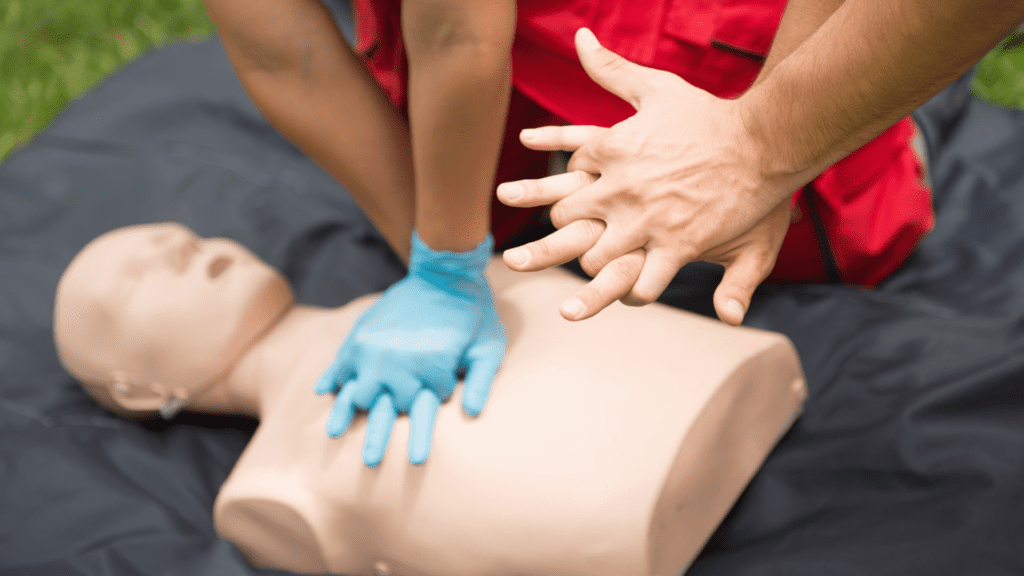
For training, Defibtech offers dedicated non-shocking trainers that mimic the form and voice of the live AEDs. That keeps the experience authentic without the cost or risk of practicing on a live device. The goal is not just familiarity with buttons and pads, it is repetition at speed. When I run corporate refreshers, we drive three or four cycles per team in 15 minutes, rotating roles and swapping manikins. Trainers that set up quickly, stick reliably to manikin torsos, and allow instructors to vary rhythms without breaking flow make all the difference.
Canadian constraints matter here. Some classes require French prompts. Some facilities standardize on one AED brand across regions. And if you teach in the North or support seasonal camps, you already know that batteries and delivery windows are not abstract concerns. While shoppers may compare prices through First aid supplies online Canada, the better question is matching training features with the way you teach and the equipment you already own.
The two families at a glance
Defibtech training units mirror their live counterparts. There are two main lines you will see:
- Lifeline Trainer family, which resembles the original yellow Lifeline and Lifeline AUTO devices, known for large buttons and audio prompts without a screen.
- Lifeline VIEW Trainer family, which mirrors the Lifeline VIEW and PRO devices that add a color screen with step-by-step visuals.
In practice, the teaching experience feels different. The Lifeline Trainer is audio led, simple, and hard to break. The VIEW Trainer adds on-screen video guidance, and learners often look up at the screen instead of at the manikin, which can be useful or distracting depending on your style.
Core elements that matter in training, not just on spec sheets
Specifications tell only half the story. What matters when you are an hour into a back-to-back training day:
Pad adhesion and lifespan. Training pads need to stick to manikins for multiple cycles without leaving residue or losing tack. If you use torso skins with oil-based cleaners, pads wear out fast. In my room, alcohol-based wipes preserve adhesion longer, and rotating pad sets across manikins evens the load. Plan for replacement pad gels or complete pad sets every few dozen classes, more often if your learners wear heavy lotions or if your manikins have textured chests.
Cables and strain points. Learners tug on cables. They step on them during team drills. Connectors that seat firmly reduce failed runs. The Defibtech leads handle abuse well, but I still teach a one-hand disconnect rule to stop people from yanking by the wire. Small habits like that extend gear life.
Prompt pacing. Some trainers rush compressions after shock. Others give breathing room for checking responsive signs. Defibtech timing matches standard training workflows and can be accelerated or controlled through scenario settings or a remote, depending on the model and package.
Language and on-screen cues. If you teach in Quebec, New Brunswick, or bilingual programs anywhere, consider whether you need English and French options. Audio-only trainers are usually available as either English or French variants. The VIEW Trainer’s on-screen prompts can reduce language friction for visual learners, but you still need audio in the language of instruction. Check that your supplier can source the language variant you need.
Instructor control. Remote controls sound like a perk until you have 18 students in rotation and three remotes floating around. When I train large groups, I label each remote with painter’s tape to match its device. If your courses emphasize rhythm changes and troubleshooting, a remote speeds the lesson, especially with the VIEW Trainer. If your format is entry level and linear, you can live without it.
The Lifeline Trainer: straightforward, durable, and familiar
The Lifeline Trainer family models the original Defibtech Lifeline AED, the bright yellow unit many Canadians recognize from arenas and community centers. It is a workhorse. Big buttons, clear voice prompts, and a low learning curve match well with entry-level workplaces and blended learning refreshers where the AED is one piece of a longer agenda.
The housing resists scuffs and drops. I have had a Lifeline Trainer slide off a chair onto a concrete floor, pick up a scar, and keep going for years. Batteries are typically standard alkalines, which is handy if you travel or teach away from mains power, and you can carry spares from any grocery store.
Scenarios play through shockable and non-shockable rhythms with realistic pauses. You can cue poor pad contact or motion artifact to practice problem solving. Training pads are reusable and designed for standard adult torsos. Pediatric training pads exist for child scenarios, and they route to the right placement points if you use a compatible child torso or a flat-skinned manikin.
Who it suits best in Canada. Workplaces that want a simple, no frills trainer that matches their deployed Lifeline units. Instructors who teach in English or French only, not both in the same session. Venues where gear gets tossed in a truck or locker and needs to survive.
Where it falls short. If you rely on visuals to coach new instructors, or if you teach long-form advanced scenarios, lack of a screen can slow some learners. Also, if your facility deploys the newer VIEW or PRO live AEDs, there is value in training on the same style of interface.
The Lifeline VIEW Trainer: visual guidance and flexible scenarios
The VIEW Trainer takes the same core logic and adds a color screen that shows pad placement, compressions, and shock cycles. For first-time learners, especially those who speak English as a second language, the visuals increase confidence. When I run community sessions in multicultural centers, I watch stress drop as soon as the pad placement image appears. The combination of audio and video anchors the sequence.
The VIEW Trainer usually ships with a remote control and additional scenario flexibility. You can induce errors, change rhythms, and pause to debrief without touching the device itself. That keeps learners immersed. The on-screen sequence also standardizes teaching for new facilitators, which helps organizations with rotating staff.
Battery power and form factor remain classroom friendly. Most VIEW Trainers use replaceable batteries that you can stock easily. The display does add a delicate surface compared to the blind front of the Lifeline Trainer, so I store them in a padded case when traveling by courier or air.
Who it suits best in Canada. Schools, municipalities, and industrial sites that already deploy Lifeline VIEW or PRO AEDs. Programs that teach bilingual classes where visuals ease translation load. Organizations onboarding new instructors who benefit from the step-by-step visual consistency.
Where it falls short. If your budget is tight and you do not need the screen, the premium feels unnecessary. In very bright gymnasiums with glare, learners sometimes lean close to the display rather than focusing on the manikin. A simple adjustment, dimming overheads or repositioning, fixes that.
Quick comparison snapshot
- Interface style: Lifeline Trainer uses audio only, the VIEW Trainer combines audio with a color display showing pads, compressions, and shock steps.
- Scenario control: both offer preset rhythms and error states, the VIEW Trainer typically adds a remote with finer control from across the room.
- Language options: both can be sourced in English or French variants, visuals on the VIEW Trainer reduce language dependence for some learners.
- Durability and care: Lifeline Trainer handles rough handling slightly better, the VIEW Trainer’s screen benefits from padded storage.
- Best match: Lifeline suits basic workplace training and fleets with original Lifeline AEDs, VIEW suits mixed or bilingual classrooms and facilities with VIEW or PRO live units.
Pad choices, manikin compatibility, and small details that save time
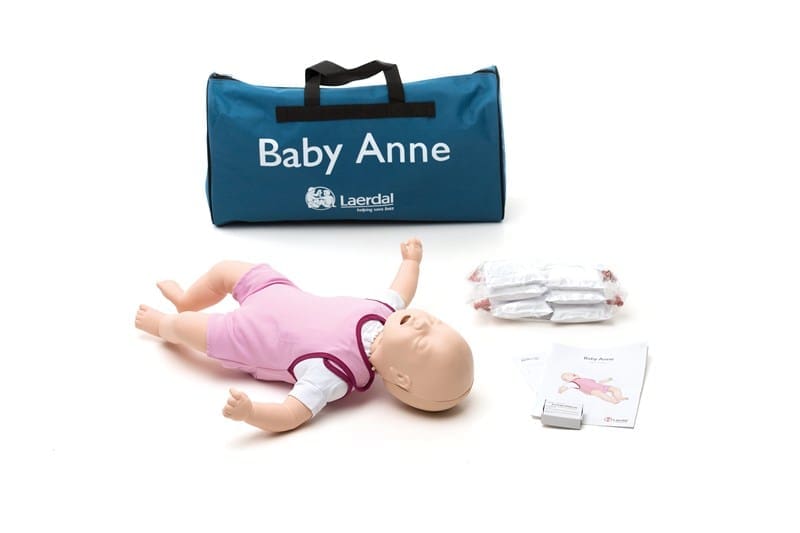
Most frustrations in AED training come from pad and manikin mismatches, not from the trainer itself. Defibtech training pads stick well to common torsos like Little Anne, Brayden, Prestan, and PRESTAN Ultra, as long as you keep surfaces clean and dry. Hairy torsos on older manikins can foil adhesion, so carry a small plastic scraper to lay pads flat and a fresh set of pad gels if you run longer refreshers.
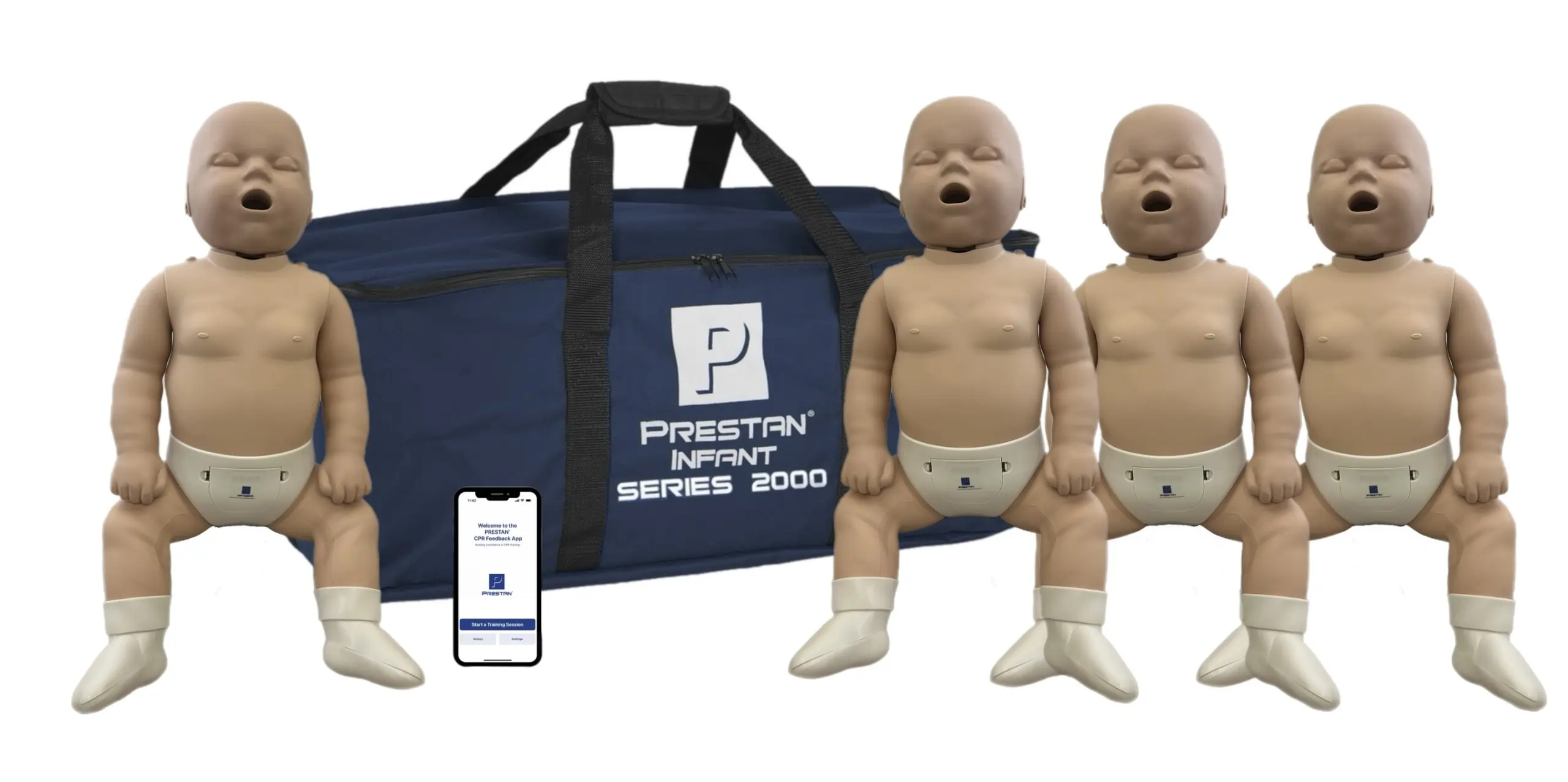
If you teach pediatric modules, set expectations early. Learners need to see anterior posterior placement, not adult front-right, left-lateral positions. I keep a dedicated child torso on one station and call it out as a pediatric bay. That prevents someone from slapping child pads onto an adult torso and calling it a day. Some Defibtech pediatric training pads include placement diagrams on the pad itself, which helps in mixed-skill groups.
Cable routing sounds like a footnote, but it affects compression quality. I guide learners to drape leads across the upper chest, not under the elbow, to avoid elbow pinch during compressions. When the cable snags, compressions go shallow. It is a tiny coaching point that yields real improvements.
Bilingual delivery and Canadian-specific considerations
Canada’s bilingual reality surfaces in training more than in equipment storage. If your teams operate in Quebec or Ottawa, you may need French prompts to pass internal audit. Many Defibtech trainers are sold in single-language variants. Some distributors can supply language modules, but that varies. Settle the language requirement before you buy. In bilingual classes, I sometimes run one English VIEW Trainer alongside a French Lifeline Trainer so learners can cross reference audio and visual cues across both languages.
Weather and power supply matter if you teach at construction camps or remote facilities. Alkaline battery packs travel better than proprietary rechargeables when you cannot guarantee charging time between sessions. Carry a voltmeter or a spare pack. Cold rooms sap battery life, so stash trainers indoors overnight rather than in a truck box.
If your classrooms live far from urban centers, lead times rule the calendar. CPR supply delivery Canada is reliable for most metro areas within a few days, but plan one to two weeks ahead for the Prairies and Atlantic Canada, and longer for northern regions, especially in winter. Reorder training pads and spare batteries before you hit the last set. I keep a simple bin system, fresh stock in the back, open stock in the front, and a reorder card when I break the second-last pack.
Integrating with your broader kit: oxygen, accessories, and mixed fleets
AED training does not happen in a vacuum. If your scenario work includes airway and oxygen, make sure your equipment choreography makes sense. First aid oxygen supplies Canada include demand valves and non-rebreather setups that do not interfere with AED pad placement, but some older training oxygen kits have bulky regulators that sit where learners want to place their knees. Lay out your bays so pads, BVMs, and oxygen lines do not tangle.
Mixed fleets add complexity. Some facilities deploy different brands across sites after mergers or piecemeal purchases. If your learners will encounter multiple AED types on the job, consider investing in cross-brand realism. A small assortment of training pads and faceplates that cue the right muscle memory goes a long way. You might already stock Zoll AED accessories Canada for maintenance on live units. Leverage that relationship for training day spares, electrode organizers, and cases. It signals to staff that the training room looks like their hallways.
Online suppliers have made this easier. Most providers that focus on First aid supplies online Canada will bundle training pads, spare cables, and storage solutions if you ask. The better ones help you match pad adhesives to your manikin brand and ship you test sets before you commit. When budgets are tight, I prioritize pad stock over fancy remotes because pad downtime kills throughput during classes.
Buying decisions: what to ask before you click add to cart
Every program has constraints, so I ask the same handful of questions before recommending a model.
- Which live AEDs are on your walls, Lifeline or Lifeline VIEW or something else entirely?
- Do you need English, French, or both in the same session?
- How many learners per hour do you run, and how many cycles do you want each learner to complete?
- Will your trainers live in a classroom or ride in a van over gravel roads?
- What is your resupply reality, can you count on weekly shipments or are you batching orders quarterly?
Those answers sort you quickly. If you deploy classic Lifeline AEDs, run short workplace refreshers in English, and your gear rides in a mobile kit, the Lifeline Trainer is the sweet spot. If your fleet is moving to VIEW or PRO devices, you teach in bilingual teams, and you want standardized visuals for new facilitators, the VIEW Trainer is worth the premium.
Price often breaks ties. Over a three to five year horizon, the total cost of ownership tends to converge. Pads and batteries drive most of the spend, not the trainer itself. If you burn through pads quickly because you run high volumes or manikins with rough skins, lean on your supplier for bulk pricing and compatible gels. If your classes are monthly and modest, a single trainer with a couple of spare pad sets does the job.
Care, cleaning, and lifespan strategies
Good care keeps trainers alive for years. I treat training AEDs like any field instrument. After each class, I wipe pads and cases with isopropyl wipes, coil cables without tight kinks, and store units in cases that keep screens away from straps and buckles. I replace batteries on a calendar, not when they die during class. It is cheap insurance against a dead session.
Labels save sanity. Every pad set bears a unique ID, and every cable and remote carries the same ID as its unit. When you are tearing down after a six-station course, that little system prevents the next class from starting with mismatched lengths and missing remotes.
Learners surprise you. Someone always tries to peel the protective gel from a training pad as if it were trash. I brief that pads are reusable, and that we lay the protective film back on after we finish. That small speech has tripled my pad lifespan.
Edge cases and workarounds
Classes do not always fit the mold. Here are a few edge cases I have hit and how Defibtech trainers handled them.
Very loud rooms. In big gyms with echo, audio prompts vanish into the air. The VIEW Trainer’s screen rides to the rescue. If you only have Lifeline Trainers, position pairs closer, or use a small portable speaker for instructor voiceovers.
Learners with hearing or visual impairments. I pair a VIEW Trainer with a Lifeline Trainer and seat learners accordingly. The visual learner tracks the screen, the other tracks crisp audio without crowd noise from the display.
Cold rooms. Adhesives lose tack in cold air. Warm pads in your pocket, or run a short warmup on a radiator before class starts. The trainers themselves handle cold fine if batteries are fresh, but your learners’ https://www.youtube.com/@CPRDepot hands will not. Build in extra time for pad placement under jackets and layers during winter scenario days.
Remote failures. Remotes get lost. I keep one station set to run a default linear scenario that needs no instructor control. That station becomes the anchor while I troubleshoot or swap batteries in a remote.
Sourcing in Canada and logistics that actually help
A good supplier saves you hours. Look for vendors who answer practical questions, not just price. If they can speak to manikin compatibility and carry both adult and pediatric training pads, they probably know the territory. Ask how they handle warranty issues on training cables and whether they stock parts in Canada or drop ship from the US, which changes customs timelines.
Online ordering works well for routine restocks. If you rely on CPR supply delivery Canada for quarterly orders, set a shared calendar reminder to audit pad counts and battery stock. Bundle orders with other essentials, like gloves, pocket masks, and even First aid oxygen supplies Canada if you integrate airway practice, to reduce freight overhead.
For programs that mix brands, maintain one page in your instructor manual that lists where to find spares for each device family. I include part descriptors and photos rather than only codes, since catalog numbers change. When a cable breaks 30 minutes before class, you want the fastest path to a match, not a debate about generations and revisions.
Final guidance from the classroom floor
The right AED trainer fades into the background while people practice. That is the highest compliment I can give a device. Both Defibtech trainers do this when matched to the right environment. The Lifeline Trainer excels when you want simple, tough, and familiar. The Lifeline VIEW Trainer earns its keep when visuals, flexible scenarios, and bilingual optics matter.
If you are still unsure, borrow or rent one of each for a week. Run the same lesson twice and watch where learners glance, which errors repeat, and how fast they reset between cycles. The better fit is the one that keeps eyes on compressions, hands on pads, and conversation focused on decision making rather than on which button to press. And that is the outcome that improves survival, no matter which brand name is on the case.
For Canadian programs fine tuning their training rooms, a deliberate choice here, combined with the unglamorous habits of labeling, cleaning, and smart resupply through First aid supplies online Canada, pays off month after month. When your next refresher runs tight and calm, and you pack up on time with pads still sticking and batteries still fresh, you will feel the difference.
CPR Depot Canada — Business Info (NAP)
Name: CPR Depot CanadaAddress: 340 Croft Dr, Tecumseh, ON N8N 2L9
Phone: +1-877-570-7322
Website: https://cpr-depot.ca/
Email: [email protected]
Hours:
Monday: 9:00 AM – 6:00 PM
Tuesday: 9:00 AM – 6:00 PM
Wednesday: 9:00 AM – 6:00 PM
Thursday: 9:00 AM – 6:00 PM
Friday: 9:00 AM – 6:00 PM
Saturday: Closed
Sunday: Closed
Open-location code (Plus Code): 8537+C8 Tecumseh, Ontario
Map/listing URL: https://www.google.com/maps/place/CPR+Depot/@42.3036,-82.8392601,17z/data=!3m1!4b1!4m6!3m5!1s0x883b2aedd5f271a1:0xfee6f8b7ab8f4110!8m2!3d42.3036!4d-82.8366852!16s%2Fg%2F1q6cff15h
Embed iframe:
Socials:
https://www.facebook.com/people/CPR-Depot-Inc/61575911496200/ https://www.instagram.com/cprdepotinc/ https://www.youtube.com/@CPRDepot
https://cpr-depot.ca/
CPR Depot Canada is a supplier of medical training products and related supplies serving customers across Canada.
The business is listed at 340 Croft Dr, Tecumseh, ON N8N 2L9.
To contact CPR Depot Canada, email [email protected] or call +1-877-570-7322.
Hours listed are Monday–Friday 9:00 AM–6:00 PM, with Saturday and Sunday closed.
For directions and listing details, use: https://www.google.com/maps/place/CPR+Depot/@42.3036,-82.8392601,17z/data=!3m1!4b1!4m6!3m5!1s0x883b2aedd5f271a1:0xfee6f8b7ab8f4110!8m2!3d42.3036!4d-82.8366852!16s%2Fg%2F1q6cff15h
Popular Questions About CPR Depot Canada
Where is CPR Depot Canada located?CPR Depot Canada is listed at 340 Croft Dr, Tecumseh, ON N8N 2L9.
What are the hours for CPR Depot Canada?
Hours listed: Monday–Friday 9:00 AM–6:00 PM; Saturday and Sunday closed.
What does CPR Depot Canada sell or provide?
CPR Depot Canada supplies medical and first aid training products and related equipment (product availability varies).
Do they ship across Canada?
The business markets to Canadian customers and operates as a Canada-wide supplier; confirm shipping options at checkout or by contacting [email protected].
How can I contact CPR Depot Canada?
Phone: +1-877-570-7322
Email: [email protected]
Website: https://cpr-depot.ca/
Map: https://www.google.com/maps/place/CPR+Depot/@42.3036,-82.8392601,17z/data=!3m1!4b1!4m6!3m5!1s0x883b2aedd5f271a1:0xfee6f8b7ab8f4110!8m2!3d42.3036!4d-82.8366852!16s%2Fg%2F1q6cff15h
Landmarks Near Tecumseh, ON
1) Tecumseh Town Hall2) Lacasse Park
3) Lakewood Park
4) WFCU Centre (Windsor)
5) Devonshire Mall (Windsor)